Advertisement
Click to download now, finish the installation quickly, and directly unlock the all-round experience
Advertisement
Screenshots
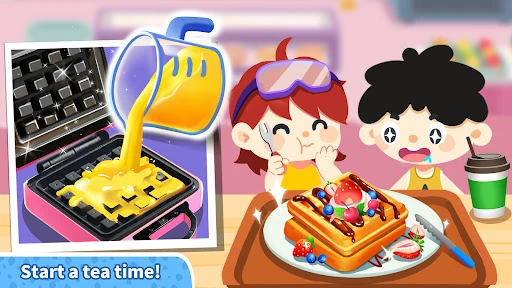
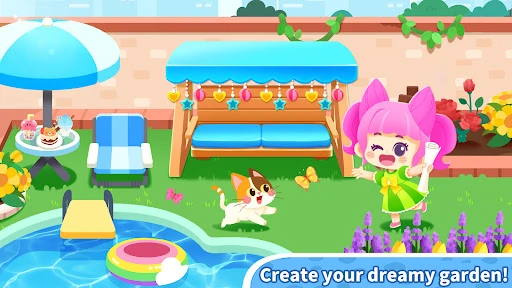
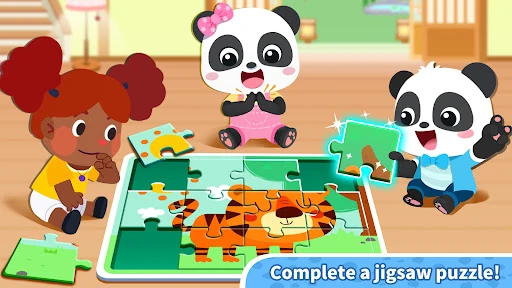
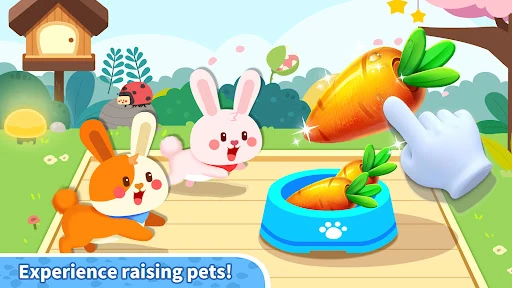
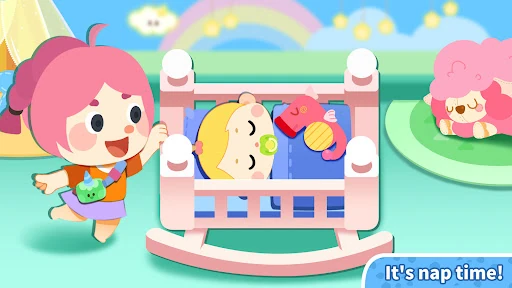
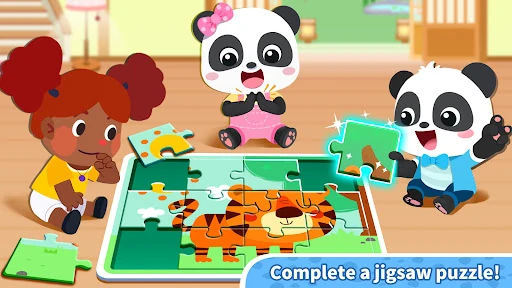
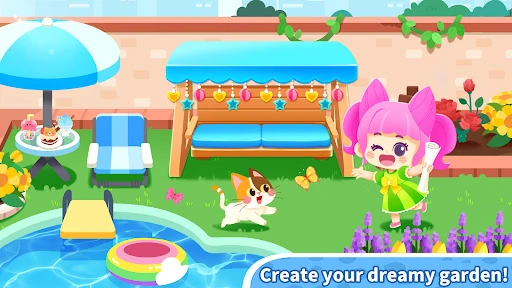
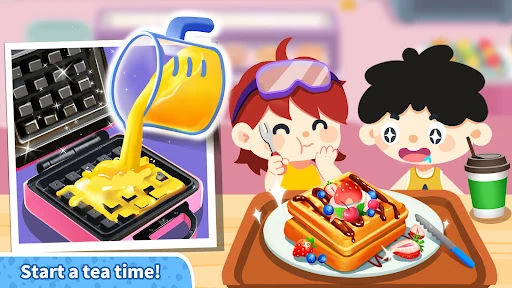
Click to download now, finish the installation quickly, and directly unlock the all-round experience
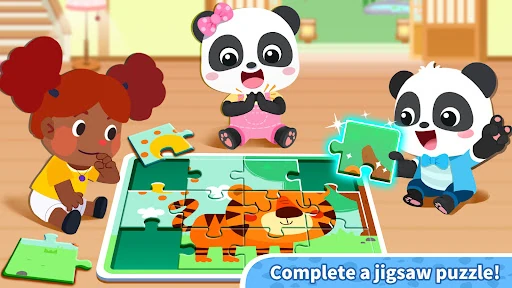
Baby Panda’s Town: Home is an educational role-play game for children who like making up characters and stories. Players can create characters by choosing features such as skin tone, eyes and nose, then add clothes and accessories. The focus is open-ended play: there is no single story the child has to follow.
The app is by BabyBus and has a 4.13 rating from 21,297 ratings. Its 50,000,000+ installs show that it has reached a large audience, though that alone does not say whether its style will suit your child.
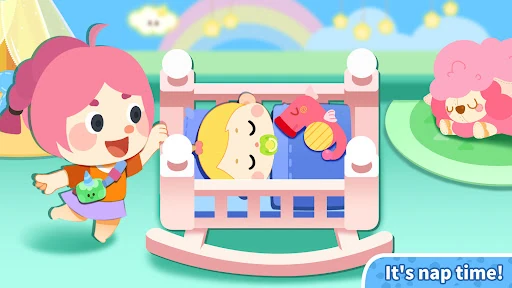
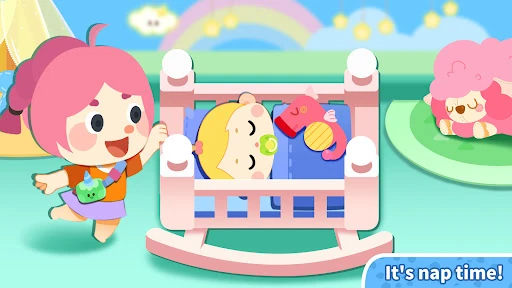
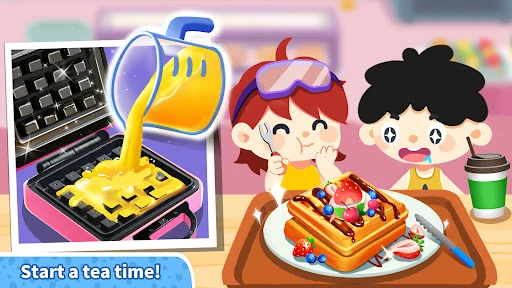
The town has seven scenes, including a hospital, nursery, pet store and food street. Children can try out different roles in those places, such as doctor, dessert maker, dancer or shop worker. This makes the educational angle mainly about imaginative play and familiar settings, rather than a sequence of lessons or quizzes.
There are many items to interact with, and the same objects can be used in different scenes to build new stories. That suits children who enjoy exploring at their own pace. If your child prefers clear goals or guided tasks, the free-form setup may feel less engaging.
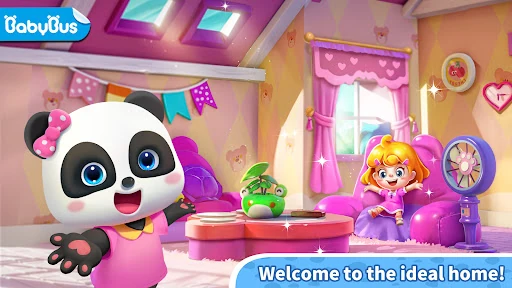
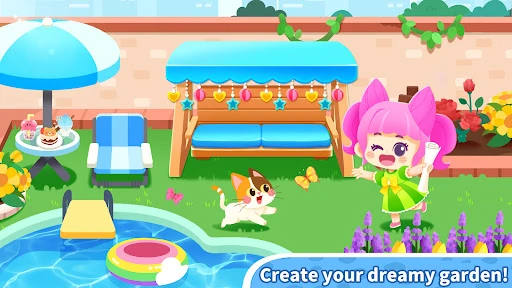
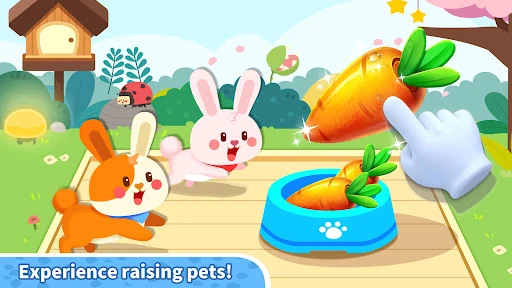
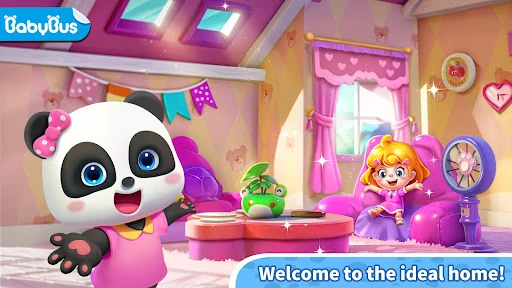
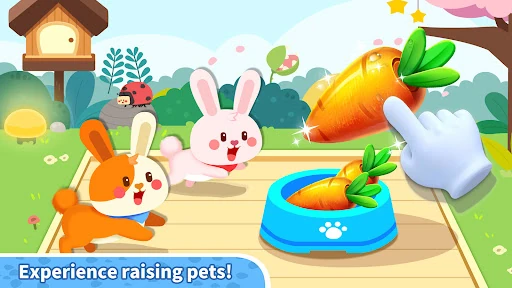
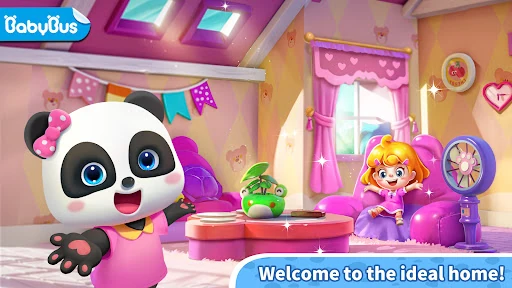
Players can design furniture and decorate a home, as well as change the look of a pet. A day-and-night switch changes the setting, while character and item choices give children ways to vary their play. These features invite experimentation; they do not require a particular design or “correct” result.
Children who mainly want to decorate can spend time on the home, while those who want more variety can move between town scenes and roles. The app’s appeal depends on enjoying pretend situations and trying out different combinations.
Baby Panda’s Town: Home is best understood as a digital play space, not a tool for practising a specific school skill. Its range of characters and locations offers plenty of scenarios to invent, but the child supplies the stories and decides what to explore next.